
Simple Changes in Color and Finish Can Make a Big Difference
Wall painting can change a room faster than almost any other home update. It can make a small room feel bigger, a dark room feel lighter, and a plain room feel warm and inviting. The right color, finish, and prep work all play a part. When done well, painted walls can help your space feel clean, fresh, and more like home.
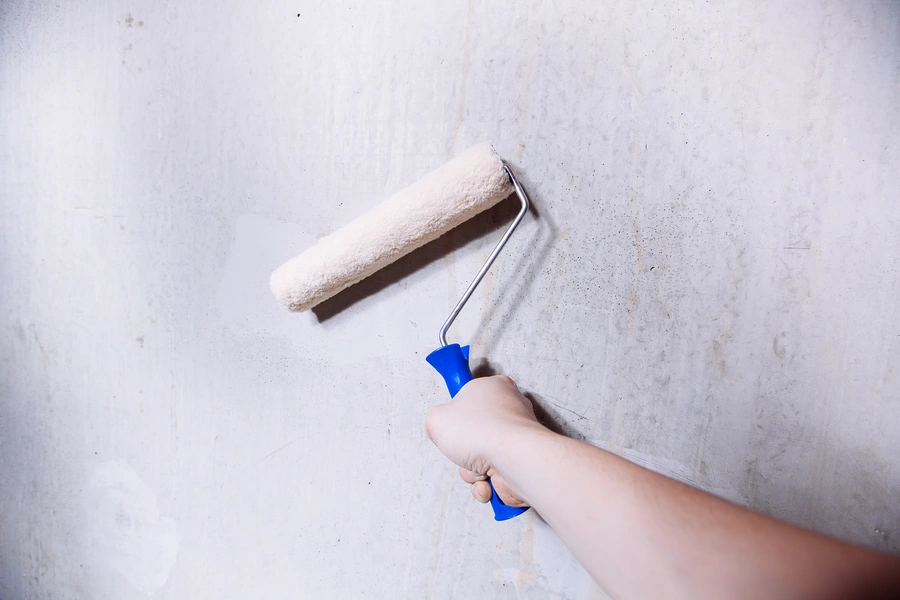
Quick answer
The biggest way wall painting improves a space is by changing how the room feels at first glance. Soft colors can help a bedroom feel calm. Bright colors can make a kitchen feel cheerful. Clean, even paint can also make a room look newer and better cared for. This matters in homes, rentals, and even work spaces. A good paint job does more than cover a wall. It helps shape mood, comfort, and style.
What you need before starting
Before painting, it helps to have a clear plan. Think about how you use the room each day. A playroom may need fun color choices. A home office may need a quieter tone. It also helps to look at the room’s light. Natural light changes color during the day, and lamps can shift how paint looks at night.
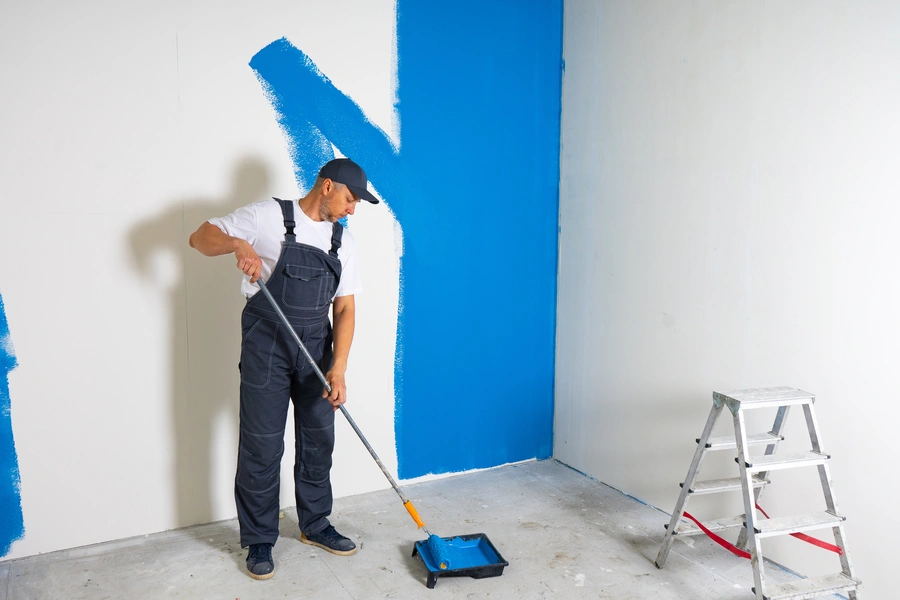
You should also gather the right supplies and think about the type of service you need. In many cases, painting is part of a larger home improvement or interior update project, so prep matters just as much as color.
- Paint samples
- Painter’s tape
- Drop cloths
- Rollers and brushes
- Primer
- Patch material for holes or cracks
- Cleaning cloths or mild soap
Testing a few paint samples on the wall can save time and stress later. A color that looks great on a tiny card may feel very different across a large wall.
Step-by-step process
A simple process can help you get better results and avoid messes. Good prep often makes the biggest difference.
- Clear or cover furniture and floors.
- Clean the walls to remove dust and grease.
- Fill small holes and sand rough spots.
- Apply painter’s tape around trim and edges.
- Use primer if the wall has stains or dark color.
- Cut in around corners and trim with a brush.
- Roll paint across the main wall area evenly.
- Let the first coat dry fully before adding more.
- Check for thin spots and touch up as needed.
- Remove tape carefully and let the room air out.
Each step helps the final finish look smooth and clean. Rushing through prep can lead to streaks, peeling, or uneven color.
Common mistakes to avoid
Many paint problems happen before the first coat even goes on. Skipping prep is one of the most common issues. Dust, grease, and wall damage can stop paint from sticking well. Picking the wrong finish can also affect the final look. A glossy finish may show every flaw. A flat finish may mark up more easily in busy rooms.
Another mistake is choosing color based only on trends. A popular shade may not fit your floors, cabinets, or lighting. It is smarter to choose a color that works with the room you already have. Using cheap tools can cause lint, streaks, and messy edges too.
When to call a professional
Some rooms are simple to paint, but others are not. Tall walls, stairways, damaged drywall, and older surfaces can all make the job harder. If you want crisp lines, smooth coverage, and a long-lasting result, professional help may be the better choice. This is also true if you are repainting before selling a home or updating a rental between tenants.
A professional can also help if you are unsure about color matching, finish choices, or how to fix wall issues before painting. In many cases, expert prep saves money by helping the paint last longer and look better from day one.
How color changes the mood of a room
Paint color has a strong effect on mood. Light neutrals can make a space feel open and calm. Warm earth tones can make a room feel cozy. Blues and greens often bring a peaceful feel, which works well in bedrooms and bathrooms. Bold shades can add energy, but too much may feel busy in small areas.
The goal is not just to pick a color you like. The goal is to match the room’s purpose. A dining room may feel better with a welcoming tone. A living room may benefit from something soft and balanced. wall painting works best when color supports how the room is used.
How finish and texture affect the final look
Color gets most of the attention, but finish matters too. Flat paint can hide small wall flaws. Eggshell and satin finishes are easier to clean and work well in many living spaces. Semi-gloss is often used on trim, kitchens, and baths because it handles moisture better.
Texture also changes the feel of a room. Smooth walls often look clean and modern. Slight texture can help hide wear in active homes. If the surface is bumpy, cracked, or patched badly, fresh paint may highlight those spots unless the wall is fixed first. That is why prep and finish choice go hand in hand.
Final recommendation
If you want a fast way to improve the style and comfort of a room, wall painting is one of the most useful updates you can make. It helps shape mood, brightness, and the overall feel of your space. The best results come from smart color choices, solid prep, and careful application. If the project feels too large, messy, or detailed, getting help can make the process much easier.
Get help with your next project
We help property owners update rooms with clean, lasting results that fit their style and daily needs. If you are planning changes in Brockton, MA, we can help you choose colors and finishes that suit the space. M&A Painting Services is here to answer questions and schedule service at a time that works for you. Call us at (774) 296-1471 to get started.