
What Changes the Price and Why the Details Matter
The cost of professional door painting depends on a few main things. The biggest ones are the door’s size, its material, the amount of prep work, the number of coats, and the paint product used. Labor also changes based on condition and access. In Brockton, MA, homes and businesses may have doors with sun damage, peeling finish, or old hardware that adds more work before painting can start.
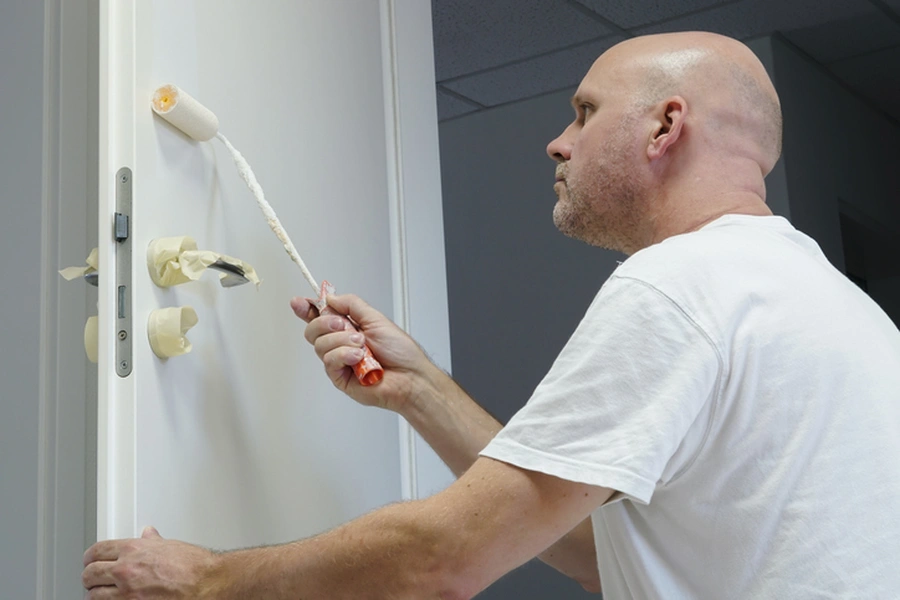
Quick Decision Answer
If you want a clean, lasting finish, the final price usually comes down to time and surface condition more than just the act of applying paint. A smooth interior door in good shape is simpler than an exterior door with cracks, dents, or old peeling paint. door painting may also take longer if the door needs sanding, patching, priming, or careful work around glass panels and trim.
Option a Vs Option B Criteria
When people compare painting options, they often look at basic work versus more detailed service. One option may cover light prep and fresh paint. Another may include full prep, repairs, stain blocking primer, and hardware removal. The better choice depends on what shape the door is in and how long you want the finish to last.
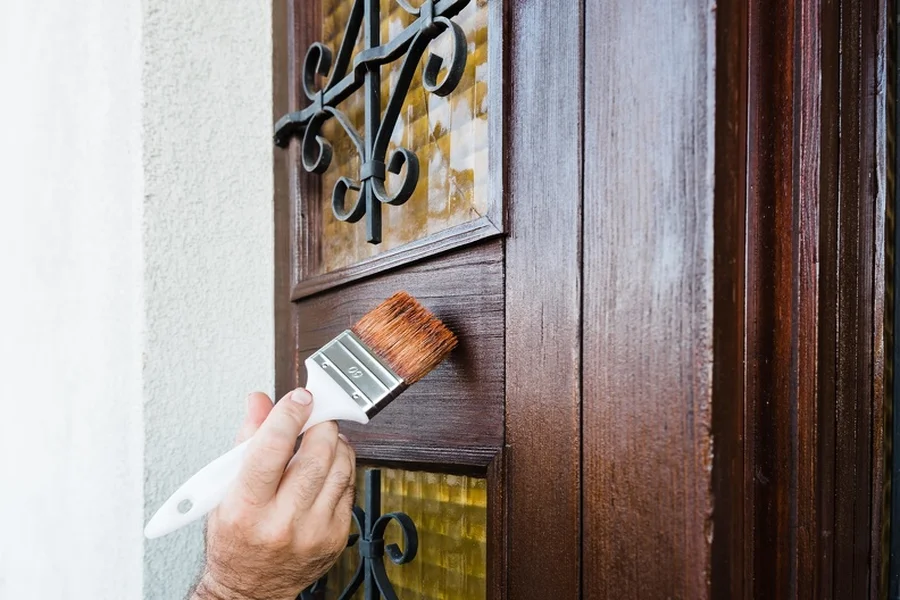
Here are common things that affect the scope of work for door painting:
- solid wood, metal, or fiberglass door material
- interior door versus exterior entry door
- flat door versus paneled or carved design
- minor scuffs versus peeling, chips, or water damage
- one color coat versus multiple coats
- brush and roll finish versus sprayed finish
- primer needs and dry time between coats
- removal of knobs, locks, kick plates, and weatherstripping
Pros and Cons List
A simple paint job can cost less because it needs less labor. That can work well for newer interior doors with only light wear. The downside is that a quick job may not hide deeper flaws. If the surface is rough, dirty, or glossy, the paint may not stick well without more prep.
A more detailed service often gives a smoother look and better life from the finish. It can include cleaning, sanding, patching, caulking, priming, and careful drying time. The tradeoff is more labor and a longer schedule. This is often the smarter choice for front doors that face sun, rain, and daily use.
If the service category affects the work, painters may also group door painting under general painting and finishing work. That matters because the tools, coatings, and prep steps can vary by surface type and use.
Best Fit by Scenario and User Need
Different doors need different levels of service. A bedroom door with a few marks may only need light sanding and two coats of paint. A front entry door may need scraping, primer, and extra cure time before regular use. A rental property may call for a durable finish that is easy to clean. A historic home may need more careful prep to protect trim and match older styles.
Think about how the door is used each day. A back door used by kids and pets gets more wear than a closet door. A business entry door may need paint that stands up to hands, weather, and frequent opening. These details shape the amount of work and the products a painter may suggest.
Mistakes People Make When Choosing
One common mistake is looking only at the base quote without asking what prep is included. Two painting jobs can sound the same but cover very different work. One may include sanding and primer. Another may not. That can change how the finish looks after a few months.
Another mistake is picking color before checking surface condition. Dark colors and glossy paint can show dents, brush marks, and uneven patches more clearly. People also forget about drying and curing time. A door may feel dry to the touch but still need more time before heavy use.
It also helps to ask if the painter plans to remove hardware, protect nearby surfaces, and paint both sides of the door. Small details like these can affect labor time and the final result.
Final Decision Checklist
Before you choose a service, use this checklist:
- Check the door material and current condition.
- Ask what prep work is included.
- Find out if primer is part of the process.
- Ask how many coats are planned.
- See whether hardware removal is included.
- Ask about finish type and sheen.
- Check if both sides and edges will be painted.
- Talk about dry time and when the door can be used again.
This list helps you compare one service to another in a fair way. It also makes it easier to spot why one project may take more labor than another.
When Professional Help Makes Sense
Professional help is often a good fit when the door has peeling paint, visible damage, old glossy coatings, or a lot of detail work. It also makes sense for exterior doors, metal doors with rust spots, and doors with glass inserts that need neat lines. A pro can prep the surface well, pick the right coating, and apply it in a way that holds up better over time.
If the door is a main entry point, quality matters even more. A poor finish can wear out fast in heat, rain, or heavy daily use. Good prep and product choice often make the biggest difference in long-term results.
Get Clear Answers Before You Schedule
If you’re planning door painting in Brockton, MA, we can help you sort through the details that affect the job. We explain the prep, products, and finish options in plain language. Contact M&A Painting Services to talk about your door and what it may need. Call us at (774) 296-1471 for help from our team.